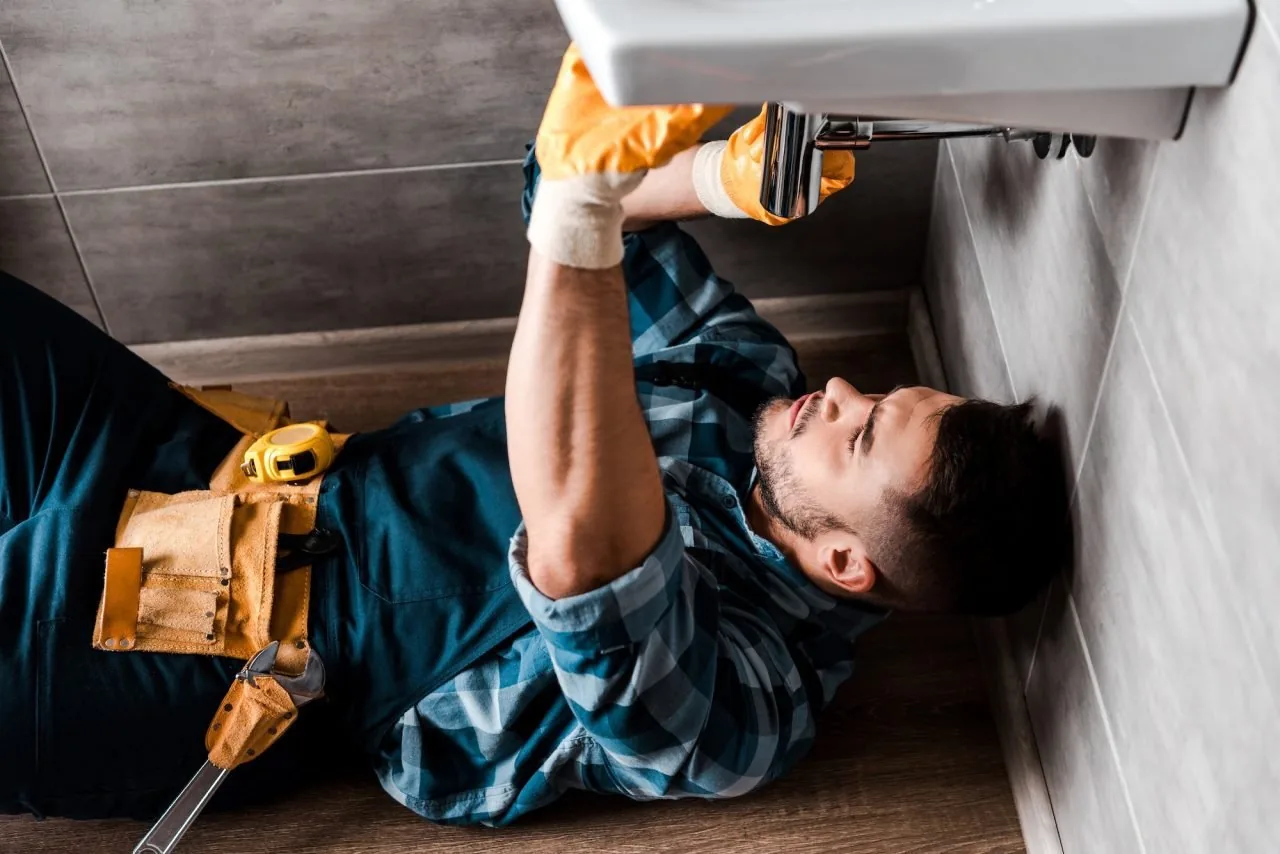
Water Heater Repair & Installation in Rockwall, TX
At Rockwall Plumbing Experts, we provide professional water heater repair, installation, and replacement throughout Rockwall. Whether you are dealing with no hot water, leaks, unusual noises, or inconsistent temperatures, our team works to restore reliable hot water for your home.
When a tank fails at home, Rockwall Plumbing Experts handles water heater repair in Rockwall, TX for homes, condos, and businesses. We restore heat for families in 75032 and we stay available 24/7, including nights when a shower goes cold. The first visit isolates the supply, the drain, and the tank so we repair what the test named. A dead element, a scaled burner, and a failed nipple each leave a different reading.
Along with tank work we handle emergency plumbing, drain cleaning, garbage disposal repair, fixture installation, and pipe repair when another fixture fails the same week. Old Town Rockwall Historic District cottages near Goliad Street and the downtown square still carry galvanized steel from before the mid 1970s. Those threads at the tank are a common leak point on a hot water heater. We lay cloth in the closet, we cap open lines, and we sweep dust before we go.
If water is coming up through the floor away from the pan, that is usually a buried line rather than the tank itself. We keep those jobs separate so a hot water heater test stays focused. Scale and summer shower demand are the stresses that follow, and they belong in the next section.
The Houston Black soil series under Rockwall lots heaves and shrinks, and that movement can shear a cold supply at a tank closet. City of Rockwall water is purchased and very hard, about 12 grains per gallon, so scale packs onto elements and burners early. Summer highs near 95 degrees drive long showers after lawn watering, and a scaled tank cannot recover between those loads. We read the anode rod, the T&P valve that relieves pressure on the tank, and the nipples first because those three tell us whether parts will hold.
Morning routines in Rockwall stack showers, laundry, and dishes on one tank, so a unit that cannot recover turns the day into a wait. Scale from very hard water coats electric elements and gas burner tubes, and the same forty gallon shell then delivers less heat. Condos feel the shortage sooner because closets are tight and many tanks are light-duty. We treat a short shower as a recovery and power question first.
We measure inlet temperature, thermostat setting, and amp draw or flame before we talk about a new shell. On electric tanks the usual path is thermostat replacement or heating element replacement when a circuit reads open. On gas tanks we watch flame and venting, then we flush if scale is the only load. Those readings are how we fix no hot water fast without guessing at a board.
Turtle Cove houses from the 1970s often still have original dip tubes that snap and dump cold water at the bottom.
Water on a closet floor ruins particle board, stains the slab, and can feed a hidden line leak that looks like a tank failure. A leaking water heater also wastes purchased water you already paid to heat. In slab on grade rooms the pan may be the only warning before carpet on the other side of the wall darkens. We want the source named while the drywall is still dry.
We dry the tank, isolate the valves, and watch where water returns. New dielectric nipples and a pressure relief valve are common repairs when the shell is sound. A hole in the tank body is a replacement, not a clamp. If the floor wets with the tank isolated, we stop and look at buried pipe, including slab leak repair when the water is coming through the concrete.
Pier and beam cottages sometimes hide a drip in the crawl space instead of a pan.
Compact tankless units showed up in post-2000 Rockwall houses as PEX and PVC replaced copper in many new builds. Scale on the exchanger, a blocked inlet filter, or a vent that will not prove often leaves a tankless water heater not heating after a short burn. Error codes send people to a reset that lasts one shower. We treat tankless as its own diagnosis, not as a small tank.
We read the error, pull the inlet screen, and check gas or electric supply before we open the exchanger. A water heater flush with the right descaling loop can restore a unit that still has clean vents. If the heat exchanger is eaten through, we talk about water heater replacement rather than another cleaning. Closet combustion air still matters on these units.
Newer streets east of State Highway 205 picked up a lot of these compact heaters as the city grew.
Brown water at a tap makes people dump a kettle and wonder if the main is failing. Rusty water from the water heater is usually iron from a spent anode and a lining that has opened, not the hardness itself. Very hard water still scales while that rust develops, so both stories can be true in one closet. We separate hot-only rust from rust that also shows on cold.
We run hot only, then cold, then we open the drain. Anode rod replacement is the repair when the port turns and the shell is not already thin. If the rod is stuck or the drain water is thick with flakes, we recommend a new tank. Mixing valves and aerators get checked so a fixture is not blamed for tank rust.
North Goliad Corridor houses mix historic galvanized with later copper, and the older steel is where rusty hot water from the taps often starts.
Popping and rumbling through a closet wall sound like the tank is about to split, and they usually mean sediment buildup flashing on a hot surface. Recovery then slows because the burner or element is heating cake instead of water. Summer showers make that delay obvious. We treat noise as a drain and flush question before we talk about a new shell.
A water heater flush through the drain can lift loose grit when the valve still opens. Packed cake will not move, and that is when rumbling survives a cleaning. We inspect the burner plate or the lower element after the flush. If the steel bottom is warped or pitted, replacement is the lasting fix.
Lakeside Village houses often still have original tanks that rumble after a weekend of guests.
A gas water heater that will not hold a flame leaves a house without heat and can leave unburned fuel in a closet. If you smell gas or suspect a gas leak, go outside immediately and call 911. This is a serious emergency that needs urgent attention from the gas company. We treat odor as a stop, not as a tune up, and we only open the burner once the air is clear. Relighting a pilot that keeps dying is how small leaks get ignored.
We check combustion air, the thermocouple, and the burner ports once the air is safe. A dirty screen and a weak thermocouple are common repairs. A cracked heat plate or a blocked vent is a different conversation, often a new gas water heater. We never skip the odor check at the start of this work.
Chandlers Landing garages from the 1970s collect lint on the burner screen, and that screen is often why the flame lifts and dies.
A few checks help before we arrive, and none of them require tools inside the tank. Standing water in the closet is a slip risk, so wait in a dry room. If the closet smells like gas, leave and use the outdoor emergency path already described for a gas water heater.
These checks are safe from the doorway.
Skip these steps, even if a video makes them look simple.
The choice on a Rockwall tank is rarely a mystery once four checks are done. We look at the shell for rust at the jacket, wet insulation, and soft steel around the drain. A pin hole in the body is a replacement, not a patch, because the glass lining has already let go. Families often ask to replace an old water heater at the first drip, but a dry jacket with a wet fitting is a different job.
Nipples and dielectric unions come next, especially on galvanized steel in older cottages. Drips at the ports often mean a water heater leaking from the top at the threads, the inlet, or the T&P discharge, not the cylinder. New dielectrics and a fresh pressure relief valve can save a sound shell. If the nipple port itself is thin or out of round, the tank is done.
Elements and burners fail in very hard water even when the shell is fine. City of Rockwall water sits near 12 grains, so scale is the default wear on those parts. One open element with a clean flush path is a repair, while repeated heating element replacement on packed grit just scales the new part. Gas burners with blocked ports get cleaned, but a cracked heat plate points to a new unit. Anode rod replacement belongs in this same decision because a stuck anode can force a tank out.
The supply is the fourth check, and water on a slab closet floor can come from the buried cold line, not the tank pan. We isolate the tank valves and watch the floor. If the wet spot grows with the tank isolated, the house needs line work rather than water heater installation. If the supply is sound, we talk through water heater replacement and a drainable pan. In a bungalow closet, a conventional tank we can anode and flush is usually the best water heater for an older home.
We read the anode port, the T&P path, and the nipples before any drywall comes out. That order is how we avoid opening a wall for a fitting leak. We leave cloth on the floor and we sweep the closet when the test is done.
Rockwall Plumbing Experts works from 900 E Ralph Hall Pky in Rockwall, and Interstate 30 is how we reach lake side streets and houses west toward Lake Ray Hubbard. The address is a working shop, not a mail drop, and crews leave from that parkway. Houses toward the lake and houses near the square both get the same tank tests.
The truck carries anode rods, elements, thermostats, dielectric nipples, and T&P valves because those are the parts these tanks consume. A water heater installation still needs a pan, flex lines, and dielectrics we bring with us. Matching those on site is how a repair finishes without a second wait.
No heat does not wait for weekday mornings, so we take these calls 24/7. A wet closet at night gets the same isolation test as a noon visit. You get the readings and the choice, then we repair or we set a new tank.
You reach out with the tank’s age if you know it, whether the water is out or rusty, and whether the closet is wet. We use that to bring elements, thermostats, anodes, and a replacement T&P. Photos of the rating plate help when the closet is tight.
We set a visit that matches the failure, including nights when there is no heat. A wet closet comes ahead of a slow recovery. You will know the arrival window before anyone leaves the shop.
We isolate the supply, the drain, and the tank, then we share what the readings named. You hear the choice between parts and a new shell before wrenches go on the nipples. We can complete water heater repair the same day when the parts match and the closet is open.
We replace the named part or set a new tank on a sound pan, fill slowly, and purge air. We watch the T&P, the burner or elements, and the floor. The closet is swept, caps are on unused openings, and the tank is left heating.
If the tank is sound but water is coming through the concrete, slab leak repair is the right visit instead of a tank swap. When a supply line in the wall is the leak, pipe repair owns that work. A cold house at night with a wet closet belongs with emergency plumbing so the water can be stopped first. None of those visits replace a tank test, and we still isolate the cylinder before we change course.
Very hard city water leaves mineral scale on elements and in the bottom of gas tanks, so the same shell stores less usable heat. Summer showers stack on that scale, and recovery falls off. We open the drain, feel for grit, and read the thermostats or the burner before we talk about a new unit. A flush and a dip tube can restore recovery when the steel is still sound. If the drain is already packed, replacement is the cleaner path.
A leak at a fitting is often a nipple or a T&P discharge, not a failed shell. We dry the top, the drain, and the pan, then we watch whether water returns at the threads or through the steel. Thread leaks can take new dielectric nipples and still hold. A wet jacket or a stream from the tank body means the glass lining is gone. Pans that fill in an Old Town closet are how many of these jobs start.
Yes, and the test order is the point of the visit. We start with anode access, the T&P path, and the nipples because those three decide whether parts will hold on a Rockwall tank. Hard water scales the anode faster than many owners expect, and a stuck rod can force a replacement even when the jacket looks fine. We also confirm the cold supply is not the leak. That order keeps a condo closet from being torn apart for a tank that only needed a rod and a valve.
Rusty hot water from the taps usually means the anode is spent and the steel is giving up iron. Hard water here scales first, so rust is a later stage, not the first mineral story. We pull the anode if the port still turns, and we look at the color of the first gallon from the drain. Brown water that clears on cold only is a tank problem. If both hot and cold are rusty, the main may be the source instead.
Popping after a shower is sediment flashing on a hot element or a hot burner plate. In a lake side house, that popping is often a water heater making loud noises from grit, not a failing valve. We flush when the drain still moves water. If the bottom is packed, a flush will not lift the cake and the tank will keep rumbling. That is one of the moments we recommend a replacement rather than another cleaning.
When a gas water heater pilot light will not stay lit, the thermocouple, the draft, and a dusty burner are the first checks. We look at combustion air in garages and in tight closets, then we read the thermocouple. A yellow lazy flame points to lint or a weak draw up the vent. Relighting without that check just repeats the dropout. If the closet has felt cold during a freeze, insulation and the combustion air path both belong in the visit.
Homeowners describe an electric water heater not working when the breaker is on and the closet stays quiet. An open element or a failed thermostat is the usual cause. We test ohms and voltage before we order parts. Repeated trips can also mean water on a connection, which is a leak path. When the shell is rusted or the elements have been replaced twice, we talk through when to replace versus repair a water heater in plain terms.
On a Rockwall slab, access and the valves decide how long water heater replacement takes. A garage tank with good valves is a shorter visit than a tight condo closet. We drain, disconnect, set the new shell, add dielectrics, fill, and purge air. Local inspection rules can add a return trip after the first install. We explain that sequence before we shut the water so the house can plan showers.
Rockwall Plumbing Experts restores heat with water heater repair, water heater installation, and water heater replacement for homes, condos, and businesses in Rockwall. We still isolate the supply, the drain, and the tank so a wet closet is not automatically a new cylinder. Neighbors who arrived from our Rockwall plumber page already know we test first. When several fixtures fail together, start with our plumbing services list instead of a tank-only visit. We stay on that path 24/7 when a tank fails after dark, and we work in homes and businesses across Rockwall.
Reach out to us for assistance.
Zip codes we serve: 75032, 75087, 75030, 75043, 75088, 75089, 75098, 75126, 75132, 75166, 75182, 75189
Plumbing Experts Services
Whether it’s the kitchen, bathroom, or sewer line, we have the tools and training to handle any challenge your plumbing system throws at us.
Don’t risk it with your plumbing. We combine years of experience with modern technology to deliver lasting repairs and installations. Our team respects your time and your property.